
I recently counted every name on the RIAS list of Conservation Accredited Architects in Scotland. The total came to 137, of which I am one. That figure includes both levels of RIAS accreditation, Accredited and Advanced.
I had expected it to be a small number, but I had not expected it to be quite that small.
Scotland has approximately 47,000 listed buildings. It has more than 600 conservation areas stretching from the old royal burghs of the Borders to Edinburgh’s Georgian New Town, from Highland estate villages to the industrial heritage of the Clyde. Add in over 8,000 scheduled monuments and almost 400 gardens and designed landscapes of national importance, and the scale starts to come into focus.
Against that backdrop, 137 accredited architects seems remarkably low.
But the number becomes more striking still when you look at who those 137 people are, and where they work. Around 10 are employed directly by Historic Environment Scotland (HES), local councils, or heritage trusts – doing vital public-body work. A further 20 or so are concentrated across just four larger practices. That leaves only around 100 separate enterprises across the whole of Scotland where a conservation accredited architect can be directly appointed to serve a private client.
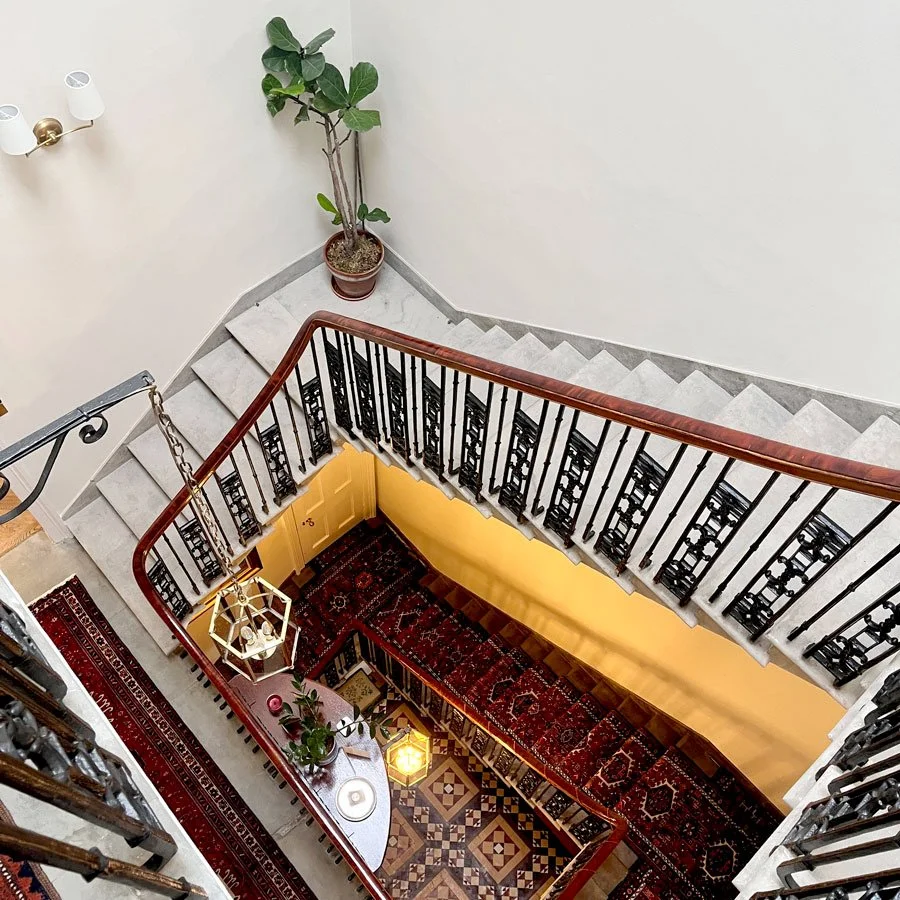
It is worth pausing to ask why the number is so low. Applying means submitting five detailed case studies of completed conservation projects, drawn from a career of substantive, hands-on involvement. Two senior RIAS assessors review every application, measuring it against competencies drawn from ICOMOS guidelines for the conservation of monuments and historic environments. It is a body of demonstrated work, evaluated by experts in the field. Once gained, accreditation must be renewed every five years.
To reach that point, an architect typically needs a minimum of four to five years of post-registration experience and specialism in historic buildings. Conservation work requires a fluency with traditional materials and methods such as lime mortars, natural stone and historic timber, and how solid masonry walls behave. That knowledge takes time to accumulate, and the pool of architects who have done so is, by definition, small.
Why does this matter to you?
If you own a listed building, are considering purchasing one, or are planning work within a conservation area, the answer is that not every architect is qualified to act as lead professional on a conservation project. For grant-aided work, a conservation accredited professional is required to lead the project. That includes Historic Environment Scotland’s grant schemes, which can contribute meaningfully towards the cost of repair and restoration.
Beyond grant eligibility, the value is less formal but no less significant. A conservation accredited architect brings a depth of knowledge that shapes every decision on a project such as choosing repair strategies that work with the fabric rather than against it. Working on a historic building without that understanding is not just inefficient; it can cause lasting harm to the building itself, and to the relationship between a structure and its setting.
Scotland’s built heritage is a shared responsibility. The vast majority of it is privately owned. The buildings that give our towns, villages, and landscapes their character are largely in the hands of individuals and families making difficult decisions about structures they value and, often, find daunting. A conservation accredited architect should be a resource for those people.
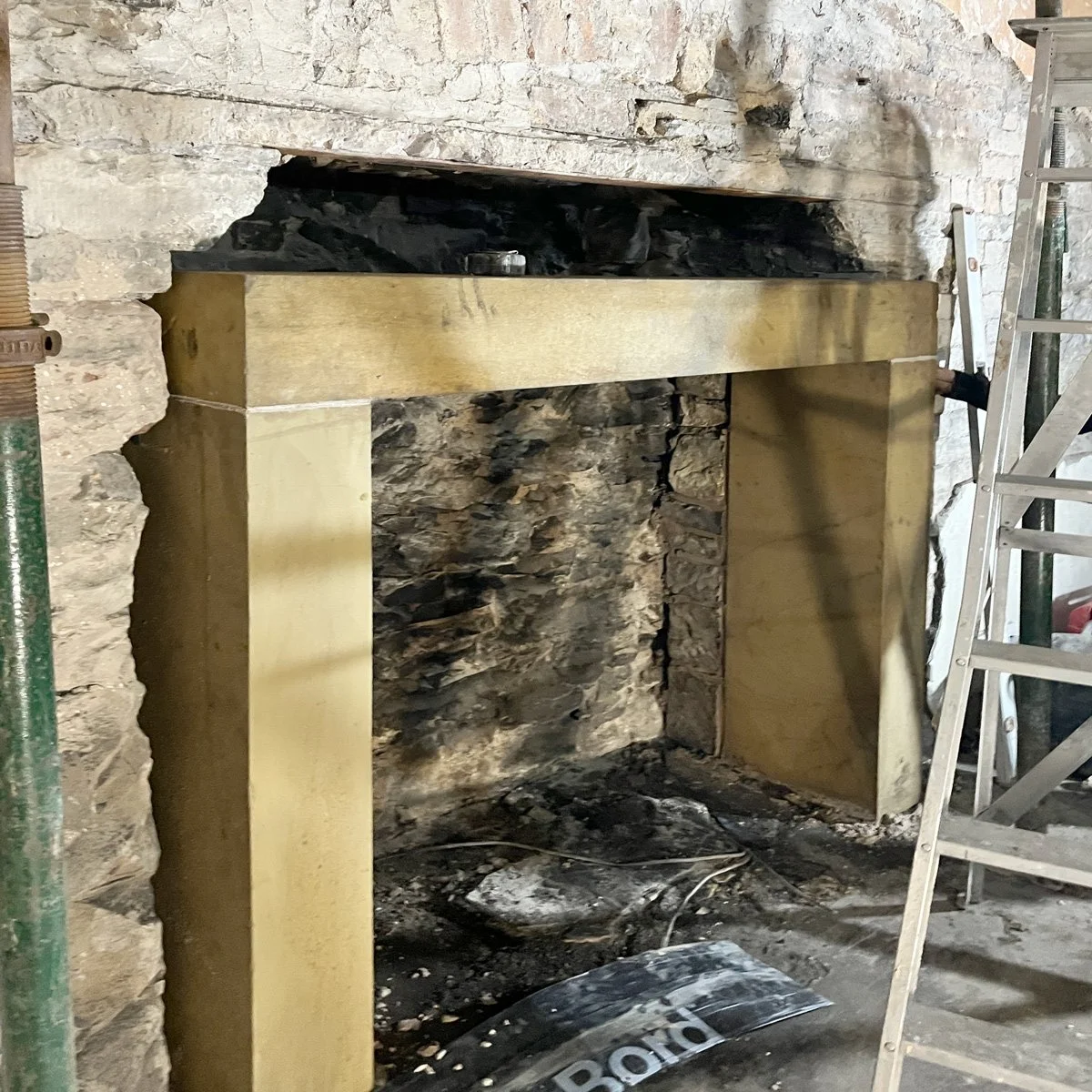
I am a RIAS Conservation Accredited Architect. The Preserve pillar of Lowland Architects is built around exactly this kind of work – buildings that require not just technical competence, but a deep respect for what already exists. If you are beginning to think about work to a listed building or a property within a conservation area, and would like to understand what is involved, I would be glad to hear from you.
Figures correct in October 2026.